
What to Pack in Your Hospital Bag (Essentials You’ll Actually Use)
Preparing your hospital bag can feel overwhelming, especially when every list online seems long and complicated.
The truth is, you don’t need as much as you might think.
As a doula, I’ve seen what actually gets used during labor and postpartum, AND what often stays untouched in the bag. My goal is always to help you feel prepared without being burdened by unnecessary items.
Let’s keep this simple and practical.
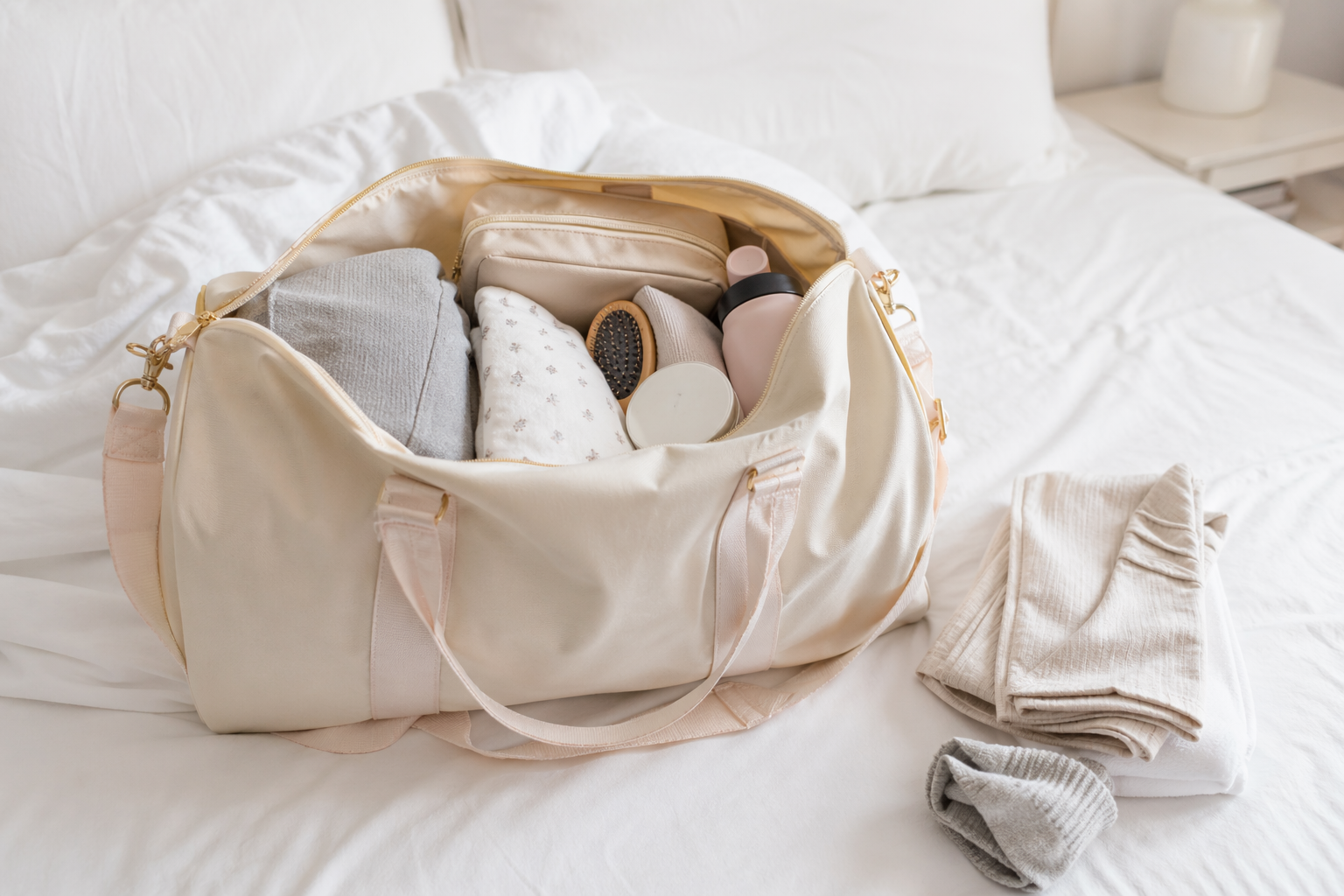
For Labor
Focus on comfort, hydration, and support.
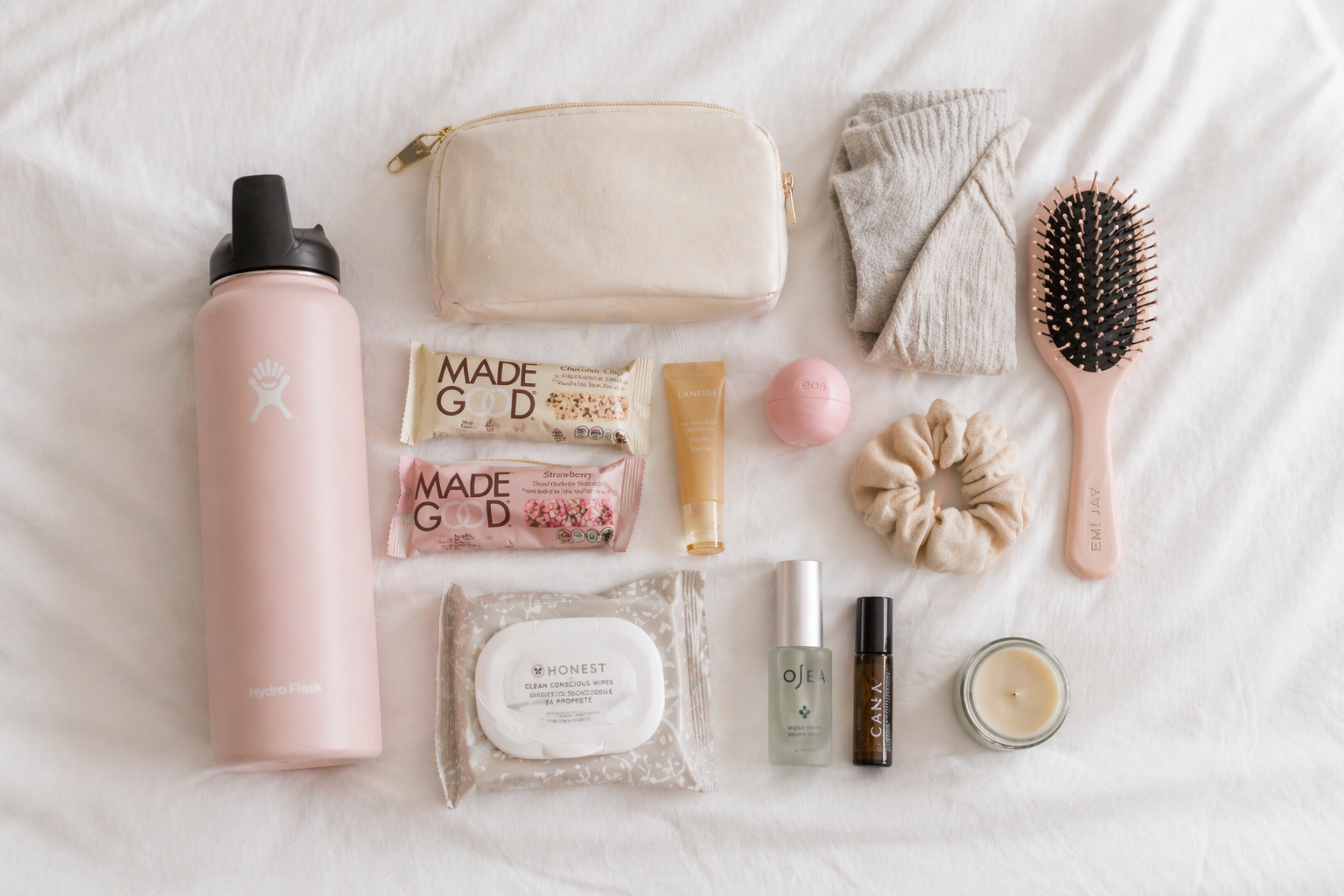
A few essentials:
A comfortable labor gown or loose clothing
Lip balm (hospital air is very dry)
Hair ties or clips
A refillable water bottle
Electrolyte drinks or packets
Easy-to-digest snacks
Many women also appreciate:
A small fan
Massage tools
Essential oils (if you enjoy them)
If you’re gathering items, these are some simple, doula-favorite options that tend to be well-loved and actually used.
For Postpartum Recovery
After birth, comfort and ease matter most.
Consider bringing:
A soft, loose outfit for going home
High-waisted or comfortable underwear
Nipple cream (if breastfeeding)
Basic toiletries
The hospital will provide quite a bit, but having a few familiar items can help you feel more at ease.
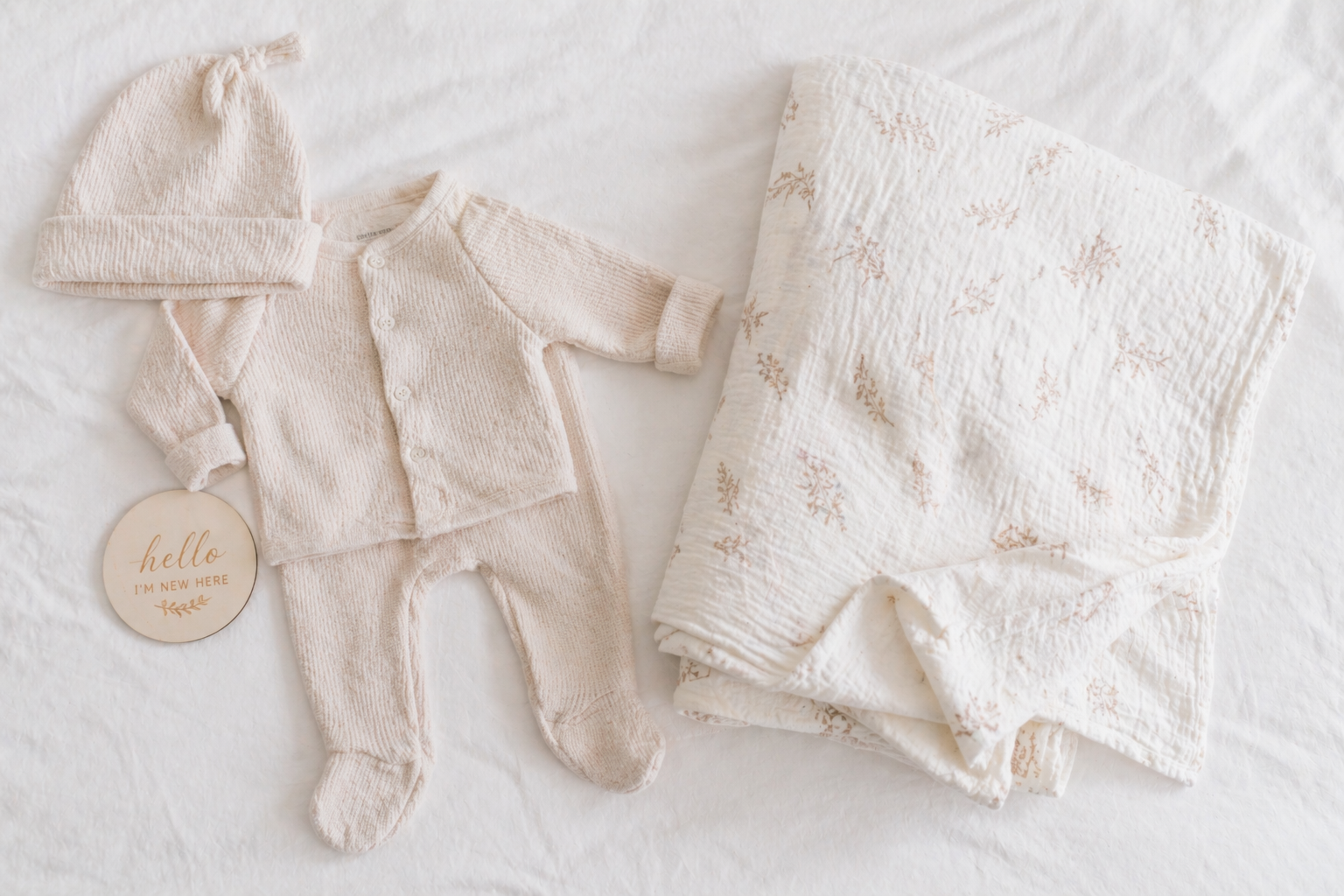
For Baby
You really don’t need much here.
A simple going-home outfit
A swaddle or blanket (optional)
Car seat (installed ahead of time)
That’s it.
For Your Partner
This is often overlooked, but so important.
Change of clothes
Snacks
Phone charger
Pillow or blanket
A well-supported partner can better support you.
A Simple Place to Start
If you’d like a simple place to start as you gather your hospital bag, I’ve put together a collection of essentials I often recommend to clients, practical, well-loved items that can help support comfort and ease during labor and the postpartum period.
You can browse those essentials here:
A Gentle Reminder
You don’t need to have everything perfectly prepared for birth to go well.
What matters most is that you feel supported, informed, and cared for.